

So, what exactly is a multi-point vehicle inspection? Think of it less like a repair and more like a routine physical for your car.
It’s a thorough health check where a certified technician systematically goes through your vehicle’s most critical systems. This isn’t some mysterious, complicated service—it’s a straightforward way for us to spot small issues before they turn into major headaches and expensive repairs down the road.
Understanding Your Vehicle's Report Card

At the end of the inspection, you get a clear, easy-to-read "report card" that gives you a snapshot of your vehicle’s health. The whole point is to identify and organize any needed maintenance by its urgency, giving you a simple roadmap for keeping your car safe and dependable.
To keep things simple, technicians use a color-coded system that tells you exactly what needs your attention. This approach is standard practice at professional Auto Repair Shops and Dealerships because it eliminates the guesswork and helps you prioritize without feeling pressured or overwhelmed.
Decoding The Color-Coded System
The inspection report is broken down into a simple traffic light system: green, yellow, and red. Understanding this system is the key to making smart decisions about your car’s upkeep.
Most shops use a format similar to this to help you visualize what's going on.
Understanding Your Inspection Report The Color-Coded System
| Color Code | Meaning | Recommended Action |
|---|---|---|
| Green | Item is in good condition. | No action is needed at this time. |
| Yellow | Item shows wear and will need attention soon. | Plan and budget for this service in the near future. |
| Red | Item has a serious issue requiring immediate attention. | Address this for safety or to prevent major damage. |
This color-coded approach is all about transparency. It lets you see exactly what our technicians see, so you can address critical safety items right away and budget for things that can wait a little longer.
Think of a yellow item as a heads-up—like brake pads that have a few thousand miles left on them. A red item, however, is a problem that needs to be fixed now, such as dangerously worn tires or a frayed belt that’s about to snap. This clear feedback helps you shift from making reactive repairs to practicing proactive maintenance, which always saves you money and keeps you safer on the road.
The Hidden Costs of Skipping a Vehicle Inspection
"If it ain't broke, don't fix it." We've all heard that one. But when it comes to your car, waiting until something is obviously broken is a recipe for disaster.
Skipping a multi-point vehicle inspection might feel like you're saving a few bucks now, but it often just means you’ll be spending a whole lot more later. It’s a gamble that lets tiny, hidden problems quietly snowball into catastrophic failures.
Think of it like a small leak under your sink. At first, it's just a drip you can ignore. But leave it alone, and you'll eventually come home to a warped cabinet, a ruined floor, and a massive repair bill. Your car is no different.
A small, unnoticed coolant leak from a brittle hose doesn't seem like a big deal. That is, until it causes your engine to overheat on the highway, potentially warping a cylinder head or seizing the engine entirely. That's a repair that can easily cost more than the car is worth.
From Minor Wear to Major Failure
The path from a small, worn part to a massive, expensive breakdown is surprisingly direct. A good technician knows exactly what to look for, catching these issues before they can leave you stranded.
Here are a few classic examples we see all the time:
- Worn Brake Pads: When brake pads are in the "yellow" on an inspection report, it's a warning. Ignore it, and you'll eventually hear metal grinding on metal. That’s the sound of your brake rotors being destroyed, which cripples your ability to stop safely.
- Frayed Serpentine Belt: A quick visual check can spot cracks on a serpentine belt. If that belt snaps while you're driving, your power steering is gone, the alternator stops charging the battery, and the engine starts to overheat—all at once.
- Low Fluid Levels: If your oil or transmission fluid is always a little low, you have a leak somewhere. Letting it go starves critical parts of lubrication, causing intense friction that quickly leads to a blown engine or a failed transmission.
The most expensive repair is always the one that catches you by surprise. A proper inspection is an investment in preventing the preventable, protecting your wallet and—more importantly—keeping you safe on the road.
The Problem of Incomplete Checks
Unfortunately, not all shops give your vehicle the attention it deserves. A shocking 80% of service departments fail to perform a thorough inspection on every single car.
Many are guilty of "pencil whipping"—just checking boxes on a form without ever actually looking at the components. Thousands of drivers leave shops every day thinking their car is in great shape when, in reality, a serious issue was completely missed. You can read more about the state of the automotive market and see how this puts drivers at risk.
This is exactly why finding a shop you trust is so important. A true, detailed multi-point vehicle inspection is your single best defense against the hidden costs of neglect.
What We Check During Our Comprehensive Inspection
So, what exactly is a multi-point inspection? Think of it as a complete physical for your car. Our ASE-certified technicians perform a top-to-bottom review to check the health and safety of your vehicle's most important systems. It’s not just a quick glance—it's a detailed assessment designed to catch problems before they leave you stranded.
This isn’t about upselling you on services you don’t need. It’s about giving you a clear, honest picture of your car's condition so you can plan for future maintenance and avoid surprise breakdowns.
It's easy to see how skipping these routine checks can lead to bigger, more expensive problems down the road.
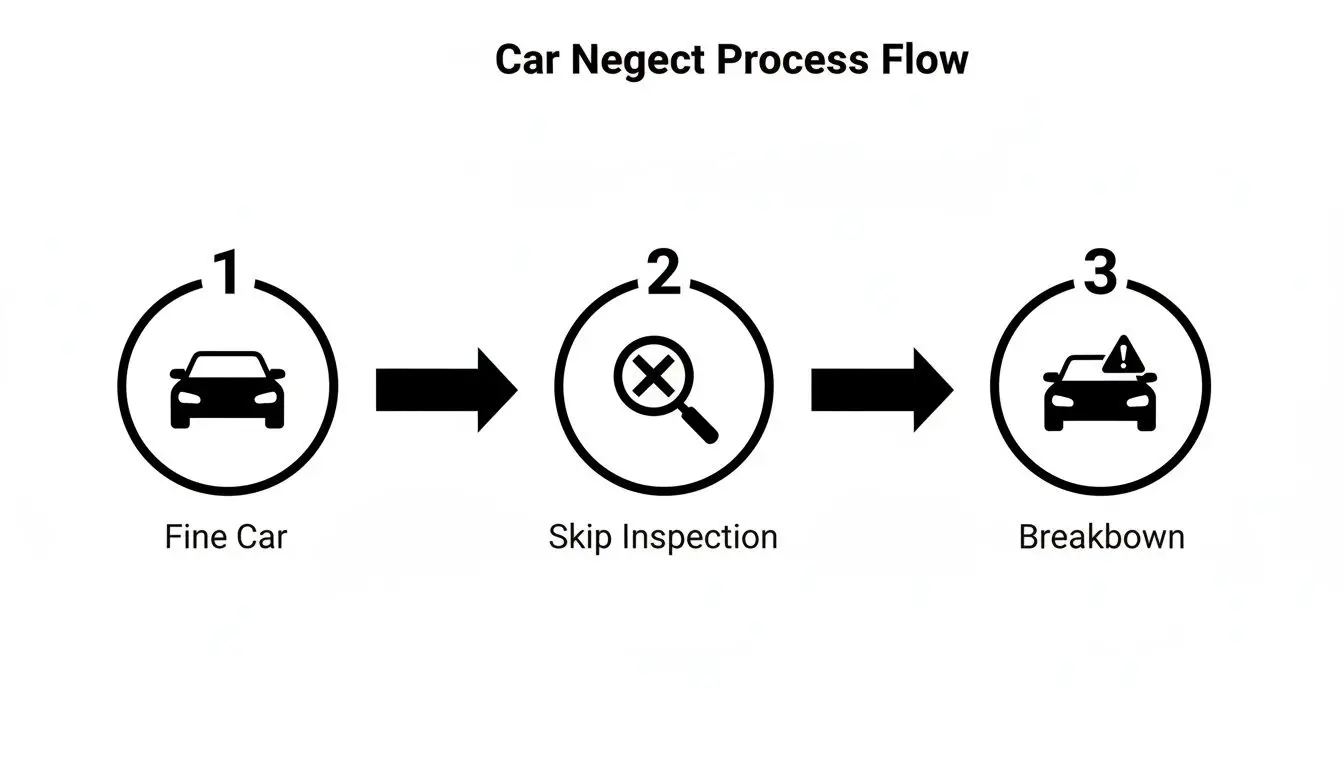
As the old saying goes, an ounce of prevention is worth a pound of cure. A simple inspection is the best defense against a sudden, costly failure.
Under the Hood
We start where your car’s power is made—the engine bay. This is the heart of your vehicle, and we look for any early signs of trouble.
- Fluids: We check the level and condition of your engine oil, coolant, brake fluid, and other essential fluids. Low or dirty fluid is often the first red flag for a leak or internal wear.
- Belts & Hoses: We inspect all rubber components for cracks, brittleness, or fraying. A snapped belt can instantly take out your power steering, while a burst coolant hose can cause your engine to overheat in minutes.
- Battery: Our technicians test your battery's health and check the terminals for corrosion. A weak battery is one of the most common reasons for a car not starting, especially in the Texas heat.
Safety Systems and Wear Components
After the engine bay, we move on to the parts that keep you safe and ensure a smooth, controlled ride. These are the components that naturally wear out with every mile you drive.
A proper multi-point vehicle inspection acts as your car's personal historian, tracking wear over time to predict future needs. It allows our technicians to spot trends—like uneven tire wear signaling an alignment problem—before they cause lasting damage.
The inspection doesn’t stop there. We perform a thorough review of all critical safety and performance systems. Our car safety inspection checklist offers a more detailed look at these areas.
A Complete Picture of Vehicle Health
To give you a full 360-degree view, our inspection covers all of the following:
- Brake System: We measure the thickness of your brake pads and check the rotors for signs of wear to make sure you have the stopping power you need.
- Tires: We evaluate tread depth, check air pressure, and look for uneven wear patterns, which often point to alignment or suspension issues.
- Suspension: Shocks, struts, and other key components are inspected for leaks or damage that can cause a rough ride and poor handling.
- Lights & Wipers: We confirm all your exterior lights are working properly and check your wiper blades for wear to ensure you have clear visibility in any weather.
- Filters: Your engine air filter and cabin air filter are inspected. Clogged filters can hurt your engine's performance and reduce the air quality inside your car.
This comprehensive approach guarantees nothing gets missed, providing you with a complete and honest assessment of your vehicle’s condition.
The Real-World Benefits of a Thorough Inspection

So, what’s the real payoff of a multi-point inspection? It’s about more than just a report card for your car. The benefits really boil down to three things every driver cares about: safety, reliability, and saving money in the long run.
Think of it as being proactive instead of reactive. We’d much rather find a fraying belt while your car is on our lift than have you discover it when it snaps on a busy highway, leaving you without power steering and an engine that’s quickly overheating.
It’s our job to give you peace of mind, not just fix what’s already broken.
Enhanced Safety on the Road
Your car's most important safety gear—like brakes, tires, and suspension—wears down so slowly that you often don’t notice the change. It’s easy to get a false sense of security in a car you drive every day.
An inspection lets our technicians put an expert eye on these parts. We measure your brake pads, check the tread depth on your tires, and look for slow leaks that could turn into a dangerous blowout.
Finding a "yellow" issue, like brake pads that are getting thin, gives you plenty of time to plan for a repair. That’s a whole lot better than facing a "red" emergency where your car won't stop when you need it to.
Improved Vehicle Reliability
Nothing ruins your day faster than an unexpected breakdown. Getting regular inspections is one of the single best ways to keep your car dependable and avoid getting stranded.
A multi-point inspection is like a regular health check-up for your car. It helps us build a history, track how parts are wearing over time, and spot potential trouble before it leaves you on the side of the road.
This lets us turn a potential crisis into a simple, scheduled repair you can plan for. It’s a practice that builds trust and keeps drivers safe. In fact, one study found that when a dealership started requiring these inspections, its service department saw a 59% increase in gross profit in just seven months—proving that proactive service is better for everyone. You can read more about how inspections boost service department success and improve vehicle safety.
Significant Long-Term Cost Savings
Here’s a simple truth in auto care: preventive maintenance is always cheaper than an emergency repair. A multi-point inspection is designed to find small issues before they snowball into wallet-draining disasters.
Just think about these common scenarios:
- Catching a Leak: Finding a small oil leak and replacing a cheap gasket might save you from a catastrophic engine failure that costs thousands.
- Spotting Uneven Tire Wear: If we notice your alignment is off, we can correct it. This simple fix helps your tires last longer, saving you hundreds of dollars on a new set.
Investing a little time now actively prevents the huge repair bills that nobody wants. Our goal is to keep your car running right for as long as you own it. You can learn more in our guide to vehicle maintenance. Driving away with confidence—that's the real benefit.
How Often Should You Get a Multi-Point Inspection
When it comes to preventive maintenance, timing is the key to catching small problems before they become expensive ones. The right schedule for a multi-point inspection really depends on your car’s age and how you drive, but a consistent rhythm is your best defense against surprise repair bills.
As a simple rule of thumb, we recommend getting a multi-point inspection with every oil change. For most cars today, that works out to about every 5,000 to 7,500 miles. This timing is perfect because it lets our technicians keep a regular eye on your brakes, tires, fluids, and belts.
Key Moments for an Inspection
Routine checks are great, but there are a few other times when getting a professional inspection is just plain smart. Think of these as crucial check-ups to make sure your car is safe and ready for the road ahead.
You should always get an inspection:
- Before a Long Road Trip: A thorough check-up provides peace of mind and helps prevent a breakdown when you're hundreds of miles from home.
- When Buying a Used Car: This is a must. A pre-purchase inspection can uncover hidden issues a seller might not know about (or want you to know about), saving you from a bad investment.
- If You Notice Anything Strange: Hear a new noise? Feel a weird vibration? See a warning light pop up? An inspection gets to the bottom of it fast.
Why Consistency Is So Important
Skipping inspections or only getting them done sporadically creates a huge blind spot. It's shocking, but some studies show that in many shops, only 65% of vehicles get a complete multi-point inspection. That means hundreds of cars could be driving away with unchecked issues every month. You can discover more insights about inspection completion rates and see why a thorough job matters.
By getting an inspection done with every oil change, you build a detailed service history. This helps technicians spot wear patterns over time and tell you what you’ll need down the road, instead of just reacting to parts that have already failed.
Tying inspections to your oil changes makes proactive car care easy. It turns a chore into a simple, powerful habit. Our guide on creating a car maintenance schedule by mileage can help you map out a full plan for your vehicle.
Common Questions We Hear at the Shop
Even with a good grasp of what a multi-point inspection covers, you probably have a few practical questions. That’s completely normal. We get asked these all the time, so we’ve put together some straight answers to help you feel confident.
How Long Does a Multi-Point Inspection Take?
A quality, thorough inspection is faster than most people think. You can expect the whole process to take between 30 and 60 minutes. The exact time depends on your specific vehicle, but we’ve got our system down to a science.
We usually perform the inspection during your oil change, so it won't add extra time to your visit. Just hang out in our waiting area, and we’ll have a full report ready for you in about an hour.
Is This the Same as My Annual State Inspection?
That's a fantastic question, and the answer is no. They’re two totally different things.
- State Inspection: This is the mandatory, pass/fail test your car needs to legally be on the road. It just checks for the state's minimum safety and emissions standards.
- Multi-Point Inspection (MPI): This is a deep-dive health check. It's a proactive service we offer to spot wear and tear, catch small issues before they become big ones, and give you a complete picture of your car's condition.
Basically, the state inspection is a requirement. An MPI is a smart move for your car's long-term health.
Your safety is our top priority. If we find a critical "Red" issue, our promise is to show you the problem, explain the risks in plain English, and provide a transparent, no-pressure estimate for the repair. We empower you to make an informed decision, never a rushed one.
This way, you have all the facts to decide what’s best for your vehicle and your budget.
Ready to get a clear picture of your vehicle's health? Drive in today for a fast, no-appointment-needed inspection from the trusted team at Express Lube & Car Care. We're here to keep your car running safely and reliably. Visit us at https://www.expressluberichlandhills.com to see our specials.