

Oil change intervals are the single most important maintenance schedule your engine depends on to stay protected, efficient, and reliable over time. Motor oil does two jobs at once: it lubricates moving parts to reduce friction, and it carries away heat, debris, and combustion byproducts that would otherwise destroy precision components. When you stretch those intervals too long, the oil stops doing both jobs effectively. The outdated 3,000-mile rule is mostly obsolete for modern vehicles using full synthetic oils, which often last 7,500 to 10,000 miles. Following the wrong schedule costs you money either way: too often wastes cash, too rarely risks your engine.
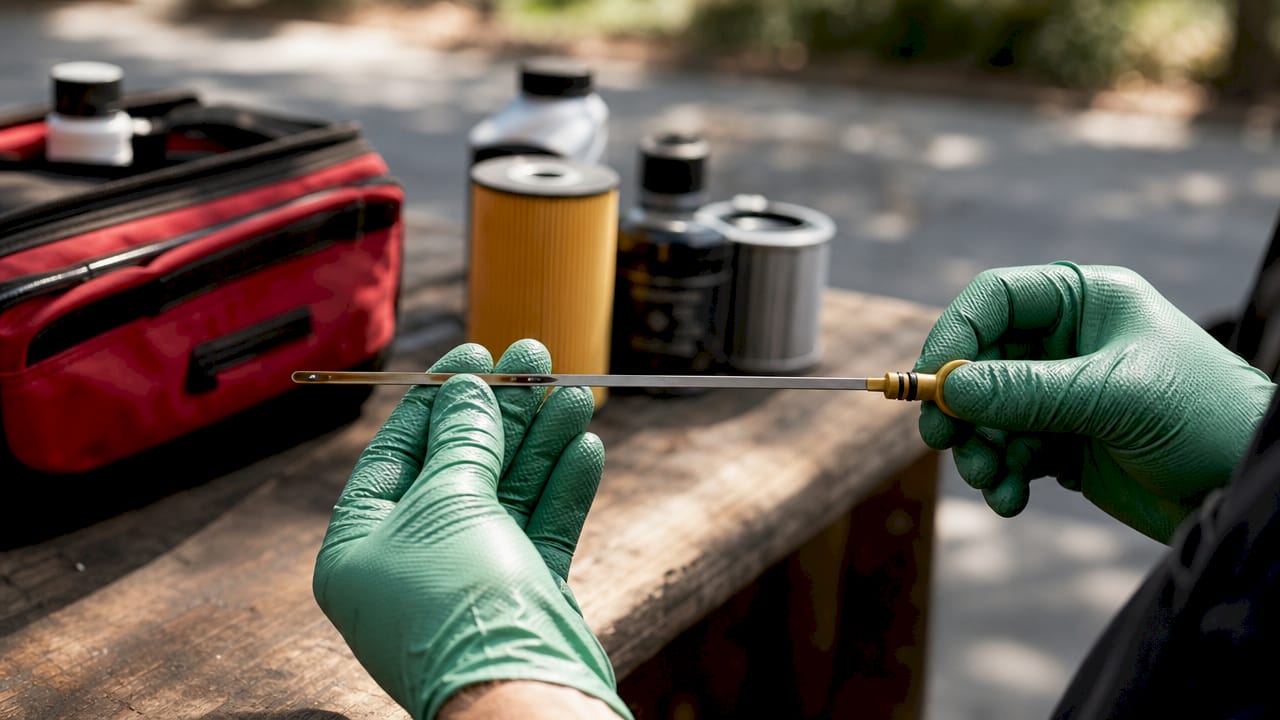
Why oil change intervals matter for engine longevity
Fresh oil is what stands between your engine’s metal components and catastrophic wear. Every time your engine runs, pistons, crankshaft bearings, camshafts, and valve train components move at high speed under intense pressure. Clean oil forms a protective film between those surfaces. Without it, metal grinds against metal, and the damage accumulates faster than most drivers realize.
Here is what regular oil changes actually protect against:
- Friction and heat buildup. Oil reduces friction between moving parts. As oil degrades, its viscosity drops and the protective film thins out, letting metal surfaces make direct contact.
- Sludge formation. Old oil oxidizes and mixes with combustion byproducts to form thick, tar-like sludge. Sludge clogs oil passages and starves components of lubrication.
- Overheating. Oil carries heat away from the engine. Degraded oil loses this capacity, pushing operating temperatures higher and stressing gaskets, seals, and bearings.
- Fuel efficiency loss. Dirty oil creates more internal resistance. Your engine works harder to maintain the same output, which shows up at the gas pump.
- Contaminant buildup. Combustion gases, moisture, and metal particles accumulate in oil over time. A fresh oil change flushes those contaminants out before they cause corrosion.
Pro Tip: Don’t judge oil condition by color alone. Dark oil is not always bad oil. Have a technician check viscosity and contamination levels if you are unsure whether your interval is due.
Clean oil also supports consistent engine power. When lubrication is optimal, your engine runs at the output it was designed for. When it is not, you may notice sluggish acceleration or rough idling long before any warning light appears.
What causes oil to degrade and why timing is critical
Oil does not last forever, and oil degradation is inevitable regardless of how carefully you drive. Understanding what breaks it down helps you appreciate why the timing of your service matters so much.
Here are the four main forces that destroy motor oil’s protective ability:
- Heat and oxidation. Every time your engine reaches operating temperature, the oil oxidizes. Repeated heat cycles break down the molecular structure of the base oil, reducing its ability to maintain a stable viscosity.
- Moisture contamination. Short trips that never fully warm the engine allow condensation to build up inside the crankcase. Water mixes with oil and creates acidic compounds that corrode metal surfaces from the inside out.
- Additive depletion. Modern motor oils contain detergents, anti-wear agents, and corrosion inhibitors. These additives deplete with use, and once they are gone, the base oil alone cannot protect your engine adequately.
- Filter saturation. Oil filters become saturated over time and allow abrasive particles to bypass filtration entirely. This means even if your oil looks acceptable, microscopic metal particles and combustion debris are circulating freely through your engine.
“Extending intervals beyond manufacturer limits increases internal wear in ways that compound over time. The damage is cumulative and often invisible until it becomes expensive.” — Consumer Reports automotive engineers
One detail most drivers overlook: oil deteriorates over time even when a vehicle sits parked. If you drive infrequently or take mostly short trips, you should change your oil at least every 6 to 12 months regardless of mileage. Time alone is enough to degrade oil chemistry.
How oil type and driving habits shape your ideal interval
Not all oil change schedules are created equal. The right interval for your vehicle depends on two things: the type of oil you use and how you actually drive.
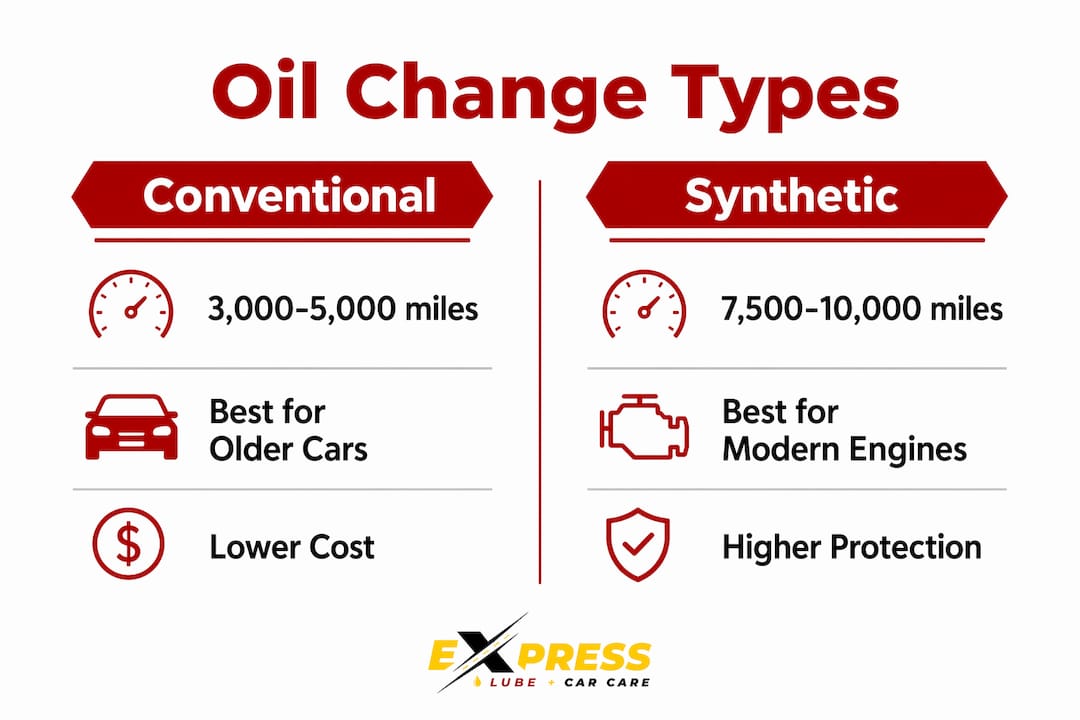
| Oil Type | Typical Interval | Best For |
|---|---|---|
| Conventional | 3,000 to 5,000 miles | Older vehicles, low-stress driving |
| Synthetic blend | 5,000 to 7,500 miles | Mixed driving, moderate conditions |
| Full synthetic | 7,500 to 10,000+ miles | Modern engines, highway driving |
High-quality synthetic oils paired with reliable filtration systems enable longer intervals, but they still require regular replacement to maintain engine health. Full synthetic oil does not make your engine immune to wear. It simply gives you more time before the oil’s protective properties break down.
Driving habits matter just as much as oil type. Severe driving conditions like extreme temperatures, frequent short trips under five miles, towing, and stop-and-go city traffic all accelerate oil breakdown. Most manufacturers publish two service schedules: one for normal driving and one for severe service. If your daily commute involves heavy traffic, extreme heat, or regular towing, you fall into the severe category and should follow the shorter interval.
To understand how your specific oil type affects your schedule, check out this guide on conventional vs. synthetic oil for a clear breakdown by vehicle type and usage.
Pro Tip: Modern vehicles from Ford, GM, Toyota, and Honda include oil life monitoring systems that calculate degradation based on actual driving data. Following these monitors is more accurate than sticking to a fixed mileage number.
Oil life monitors estimate oil degradation based on driving conditions and adjust recommended intervals accordingly. Following these monitors protects your engine while avoiding unnecessary service visits. They are not a reason to skip oil changes. They are a smarter way to time them.
What happens when you skip or delay an oil change
The consequences of missing an oil change are not abstract. They are mechanical, financial, and sometimes permanent.
- Engine sludge. Neglected oil thickens into sludge that blocks oil passages. Once sludge forms, cleaning it out requires professional flushing or, in severe cases, partial engine disassembly.
- Bearing wear. Crankshaft and connecting rod bearings depend on a constant film of pressurized oil. Degraded oil fails to maintain that film, and bearing surfaces wear down. Bearing replacement is one of the most expensive internal engine repairs.
- Warranty denial. Skipping recommended oil changes can void vehicle warranties. Many manufacturers require documented proof of maintenance at specified intervals, and warranty coverage often lasts up to 10 years. One missed service without a receipt can cost you thousands in denied claims.
- Missed safety checks. An oil change is an opportunity for a multi-point inspection covering belts, hoses, tire condition, and fluid levels. Skipping the service means skipping those checks, and small problems grow into expensive ones.
- Catastrophic engine failure. Waiting for oil pressure warnings or engine knocking is often too late. By the time those alerts appear, bearing failure or engine seizure may already be underway.
The warning signs of overdue oil include dark, gritty oil on the dipstick, a burning oil smell, louder engine noise at startup, and a drop in fuel economy. If you notice any of these, check out this list of signs your car needs an oil change to confirm whether service is due.
How to determine the right oil change schedule for your vehicle
Setting the right schedule is straightforward when you know where to look. Here is a practical process for getting it right.
- Read your owner’s manual. Every manufacturer specifies both a mileage interval and a time interval for oil changes. Use both. If you hit six months before reaching the mileage threshold, change the oil anyway.
- Check your oil life monitor. If your vehicle has an onboard oil life monitoring system, check it regularly. Reset it after every service. Do not ignore it when it drops below 15 percent.
- Classify your driving style. Ask yourself honestly whether you take mostly short trips, drive in extreme heat or cold, tow regularly, or sit in heavy traffic daily. If yes to any of these, follow the severe service interval, not the standard one.
- Factor in your oil type. Conventional oil in an older vehicle needs more frequent changes than full synthetic in a modern engine. Match the interval to the oil, not just the mileage.
- Schedule regular inspections. Adjusting oil change frequency based on real driving habits enhances engine protection. A technician who sees your vehicle regularly can spot early signs of oil degradation, leaks, or filter issues before they become serious.
For a deeper look at whether mileage or time should drive your schedule, this guide on oil change mileage or time walks through the decision for modern drivers in plain terms. You can also review a seasonal maintenance checklist to see how temperature changes throughout the year affect how quickly your oil breaks down.
Key takeaways
Regular oil changes are the most cost-effective way to protect your engine, preserve your warranty, and avoid repairs that cost far more than the service itself.
| Point | Details |
|---|---|
| Intervals protect engine health | Fresh oil prevents friction, sludge, and overheating that degrade precision components over time. |
| Oil type determines your schedule | Full synthetic oils last 7,500 to 10,000+ miles; conventional oil requires changes every 3,000 to 5,000 miles. |
| Driving habits change everything | Severe conditions like short trips, towing, and extreme heat demand shorter intervals than standard guidelines. |
| Skipping creates real consequences | Missed oil changes risk engine sludge, bearing wear, and voided manufacturer warranties. |
| Use your tools and your manual | Oil life monitors and owner’s manuals give you the most accurate interval for your specific vehicle. |
What we’ve learned from years of oil changes at Express Lube & Car Care
Here is something I see regularly at Express Lube & Car Care: drivers come in convinced they are overdue for an oil change because they heard the 3,000-mile rule their whole lives. Then there are drivers who push 12,000 miles on conventional oil because they figure modern cars can handle it. Both groups are working from incomplete information, and both pay for it eventually.
The honest truth is that the right interval is specific to your vehicle, your oil, and how you drive. A Honda Civic commuting 30 miles of highway daily on full synthetic is in a completely different situation than a Ford F-150 doing short city trips and towing on weekends. Treating them the same way is how engines age faster than they should.
What I tell every customer is this: the filter matters as much as the oil. We replace the filter at every service because a saturated filter circulating abrasive particles through a fresh oil fill defeats the entire purpose of the change. That detail gets overlooked more than almost anything else in DIY maintenance.
The cost of a regular oil change is predictable and small. The cost of a spun bearing or a sludged engine is neither. Staying on schedule is not about being cautious. It is about being smart with a machine that represents a significant investment.
— Express Lube & Car Care
Keep your engine protected with Express Lube & Car Care
At Express Lube & Car Care in Richland Hills, our ASE-certified technicians handle oil changes quickly, correctly, and without an appointment. We use quality oils matched to your vehicle’s specifications, replace the filter every time, and perform a multi-point inspection at no extra charge. Whether you drive a daily commuter or a work truck, we set you up with the right interval for your oil type and driving habits. Check our current oil change service specials to see what we have running right now, or grab a maintenance coupon before your next visit. Walk in when it works for you. We will take it from there.
FAQ
How often should you change your oil?
Most modern vehicles using full synthetic oil need a change every 7,500 to 10,000 miles or once a year, whichever comes first. Check your owner’s manual and your oil life monitor for the most accurate recommendation for your specific vehicle.
What are the real consequences of missing an oil change?
Skipping an oil change can cause engine sludge, accelerated bearing wear, and overheating. It can also void your manufacturer warranty if you cannot provide documented proof of service at the required intervals.
Does oil go bad if you don’t drive much?
Yes. Oil degrades chemically over time even when a vehicle sits parked, so infrequent drivers should still change their oil at least every 6 to 12 months regardless of mileage.
Is full synthetic oil worth the higher cost?
Full synthetic oil lasts significantly longer than conventional oil and provides better protection under extreme temperatures and stress. For most modern engines, the extended interval offsets the higher price per quart.
Can you tell when oil needs changing just by looking at it?
Not reliably. Dark color does not always mean the oil has failed, and clean-looking oil can still be depleted of its protective additives. Use your oil life monitor, check the dipstick for gritty texture, and follow your manufacturer’s time and mileage guidelines instead.